

Wooden floors are beautiful when cared for properly, but they can also be terribly mismanaged if you don’t focus on them. – In this guide, we tell you how you can give your wooden floor a long life.
There are roughly four different types of wood floors: untreated wood, lye-treated wood, oiled wood and varnished wood. – They all have different needs for proper maintenance, but it is easy enough to get started as long as you understand how the wood holds up best.
Should we take care of your floor?
Call or write – We are ready to answer your questions and provide an offer for Nordic Ecolabel cleaning.


Wood is a “soft” organic material that is particularly vulnerable to drying out. If the wood dries out, it is less resistant to external dirt and discoloration, but also to wear and scratches. Drying out can also be a danger to the wooden floor, as the wood can crack, and thus be irreparably damaged.
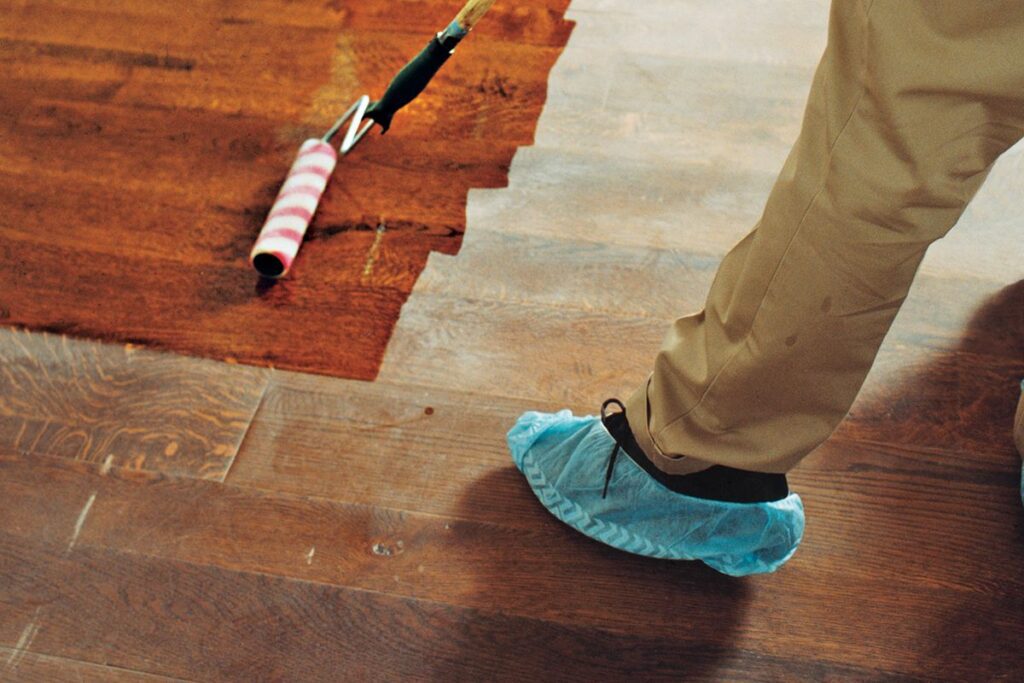
In general, when cleaning wooden floors, you should not use too much water, as the water risks drying out the wood. After cleaning, it is also important to wipe away all the water, e.g. with a dry cloth, as excess water can leave unsightly marks on the floor. Proper care of your wooden floor can prevent drying out and is crucial for the durability of the floor, but the optimal care depends on the type of wooden floor you have.
Untreated wood
When washing your untreated wooden floor, it is important to consider whether the floor looks dry or greasy. With untreated wood, it is a fine balance to strike the natural saturation. If the wood is dry, you can add grease by washing it with a solution of soap shavings in water (1:5), and if the wood has become greasy, you can wash it with an all-purpose cleaner to remove the excess grease – however, you must be careful not to degrease the floor too much.
At RengøringsAgenterne, we wash untreated wooden floors with a caring natural soap that contains care oil, designed to give the wooden floor extra protection. Because untreated wood is completely open, and absorbs a lot of color and dirt, we also recommend that the wooden floor is cleaned and given a subsequent oil treatment three times a year to keep it nice.
Lye-treated wood
Lye-treated wood, like untreated wood, needs extra care, as the lye treatment is particularly harsh on the wood. We therefore recommend washing it with a mild soap that has a low PH value – preferably either a natural soap with a golden color, or a white-pigmented care soap that can provide the wood with the natural oils it needs to stay healthy and beautiful.
Oiled wood
Oil provides good protection for wooden floors by penetrating the pores of the wood and saturating them. This means that the wood does not absorb external dirt as long as it is sufficiently saturated with oil. It is therefore essential to keep the wood saturated with oil, and therefore it is important not to clean it with all-purpose cleaners and other products that dissolve the oil and draw it out of the wood! Soap shavings are also not effective, as the soap shavings go into and close the pores of the wood, which also causes the wood to dry out and crack.
The oiled wooden floor is best maintained by washing it with a suitable oil soap – and then it should be oiled – two to three times a year, so that the floor gets plenty of fresh oil for the wood’s pores.
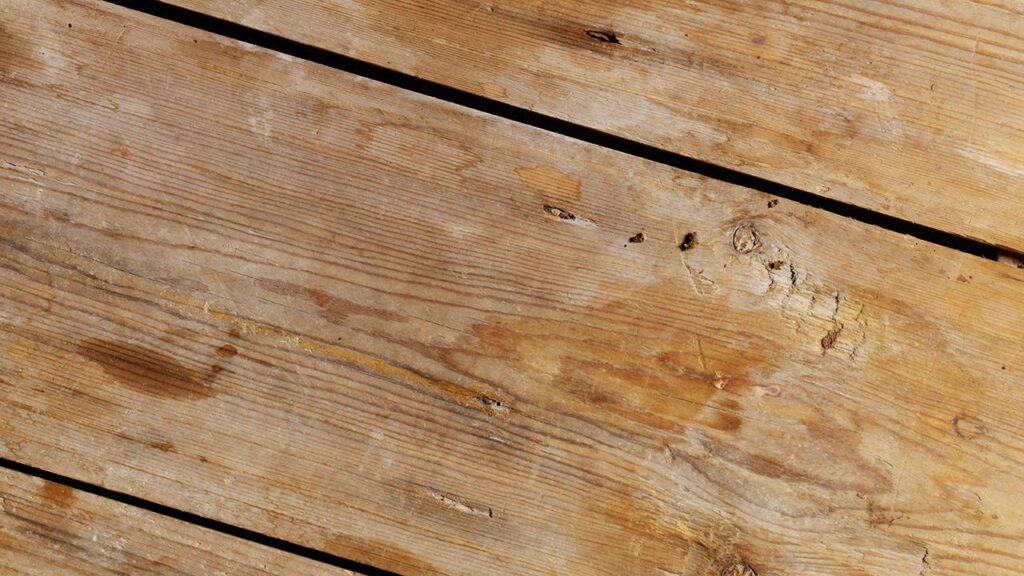
Lacquered wood
When varnishing the wooden floor, the floor has been given a hard and protective coating that is somewhat similar to other hard floor types. It should be cleaned without any kind of care, and preferably with a universal cleaner. The important thing is not to use acidic cleaning agents that can penetrate the varnish – and to remember to re-establish the coating by giving the floor a new varnish treatment once a year. If there are deep scratches in the varnish, it is also important to have the varnish re-patched so that the protection of the wood remains intact.